
June 2026 Bonsai Care Guide – Southeast Queensland
Monthly Bonsai Advice
with Rosemarie Caston
JAX & ROSE Bonsai
As winter settles across Southeast Queensland, many bonsai enthusiasts assume their trees can be largely left alone until spring. While growth certainly slows during June, bonsai still require regular attention.
In fact, some of the most important winter tasks involve observation, maintenance and preparation for the busy growing season ahead.
Unlike the colder southern states, our Queensland winters remain relatively mild. Many species such as figs, bougainvillea, Australian natives and junipers can continue to grow slowly throughout winter, particularly when positioned in warm, sunny locations.
The key to successful winter bonsai care is to work with your trees rather than against them. This is not the time to force growth or undertake unnecessary heavy work. Instead, focus on maintaining healthy trees and preparing for stronger growth in the months ahead.
Watering During Winter
Watering remains the most important bonsai task during June.
Most trees require less water than they did during summer, but this doesn't mean they can be ignored. Small bonsai pots can still dry surprisingly quickly during sunny winter days and dry westerly winds.
Rather than watering to a schedule, check each tree individually. Test the soil with your finger, a chopstick or moisture meter before watering. Trees growing actively may still require frequent watering, while others may remain damp for several days.
Morning watering is preferred as it allows excess moisture to evaporate before cooler evening temperatures arrive.
Winter Watering Tips
Water according to the tree's needs, not the calendar.
Water early in the day where possible.
Check shallow pots more frequently
Avoid constantly wet soil.
Ensure drainage holes remain clear.
Watch for waterlogged pots after rain.
Sunlight and Positioning
Winter sunshine is much gentler than summer sunshine and many bonsai benefit from being moved into brighter positions during June.
Good sunlight encourages healthy growth, reduces fungal problems and helps maintain compact foliage.
Junipers, pines, olives, bougainvillea, figs and most Australian natives enjoy as much winter sun as possible.
One issue I often see during winter is wind damage. Cold drying winds can quickly burn foliage, particularly on tropical and subtropical species. Trees may appear healthy one day and show leaf damage shortly after a period of strong wind.
If possible, position vulnerable trees where they receive good sunlight but are protected from prevailing winds.
Positioning Priorities
Maximise winter sunlight.
Protect sensitive species from strong winds.
Improve airflow around benches.
Rotate trees regularly for even growth.
Avoid placing pots directly on cold, damp ground.
Fertilising
Most bonsai require less fertiliser during June.
If a tree has slowed significantly or entered dormancy, there is little benefit in heavy feeding. Healthy trees showing active growth can still receive light fertilising, particularly evergreen species and many Australian natives.
As a simple rule:
Feed growing trees lightly and avoid pushing trees that are resting.
Pruning and General Maintenance
June is a wonderful month for tidying your bonsai collection.
Rather than major pruning, focus on cleaning and maintenance. Remove dead twigs, unwanted shoots, old leaves and spent flowers. Deciduous trees become easier to assess as foliage drops and branch structure becomes visible.
One job that never seems to slow down during winter is weeding. In fact, weeds often take advantage of cooler conditions and reduced competition from bonsai growth.
While other bonsai tasks may become quieter, don't let weeds get ahead of you. Regular weeding not only improves presentation but also reduces competition for water and nutrients.

Good Winter Maintenance Tasks
Remove weeds regularly.
Clean trunks and surface roots.
Remove dead growth.
Inspect branch structure.
Clean moss from unwanted areas.
Tidy benches and growing areas.
Avoid major pruning of tropical species such as figs and bougainvillea until warmer weather returns.
Wiring and Styling
June can be an excellent month for wiring bonsai. Slower growth allows you to see branch structure more clearly and wire is often less likely to bite quickly.
However, Southeast Queensland growers should never become complacent.
One of the biggest mistakes I see during winter is assuming trees have completely stopped growing. Our climate often remains warm enough for many species to continue thickening branches and extending growth.
I've seen plenty of trees catch owners by surprise during winter and suddenly begin growing into their wire.
Winter Wiring Checklist
Check all existing wire regularly.
Remove wire before it marks branches.
Wire healthy trees only.
Avoid major bending on stressed trees.
Support heavier bends carefully.
Remember, a five-minute wire inspection can prevent years of unwanted scarring.
Preparing for Re-potting Season
June is generally not the ideal re-potting time for tropical species such as figs and bougainvillea.
However, it is the perfect time to prepare.
Clean old pots, organise mesh and tie wires, stock up on soil components and identify which trees may require re-potting in the coming months.
Good preparation now makes spring re-potting far easier and less stressful.
Pests and Disease

Pests do not disappear simply because the weather cools.
Scale, aphids, mealybugs, ants and fungal problems can all remain active throughout winter.
Inspect trees regularly, paying particular attention to branch junctions, under leaves and around the soil surface.
Winter is also a good time to clean benches and remove fallen leaves where pests often shelter.
Watch For
• Scale insects.• Aphids.• Mealybugs.• Ant activity.• Snails and slugs.• Fungal spotting.• Poor drainage after rain.
Species Notes
Figs
Keep figs in full sun where possible and protect from cold winds. Reduce watering slightly but never allow the root ball to completely dry out. Avoid heavy pruning or re-potting until warmer weather.
Bougainvillea
Provide maximum sunlight and avoid overwatering. Keep on the slightly drier side during winter and leave major work until active growth resumes.
Junipers
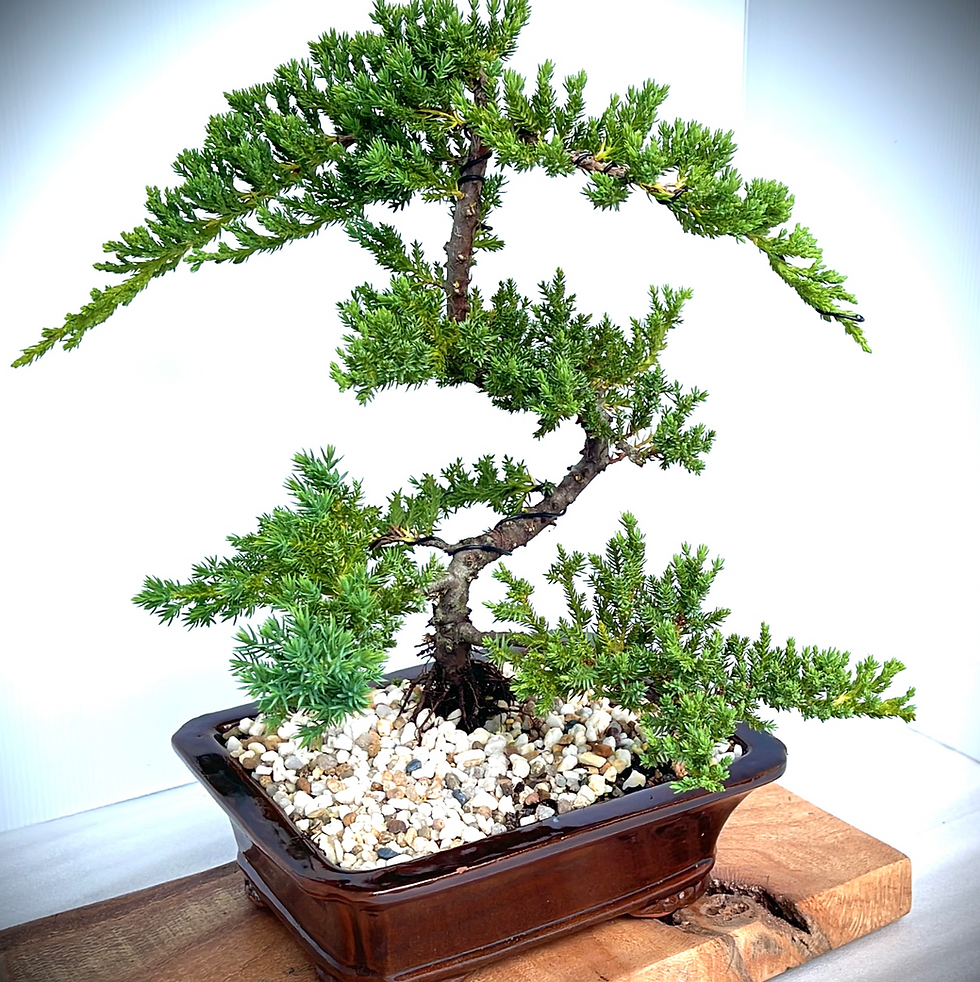
Junipers thrive in winter sun and benefit from good airflow. June is an excellent month for wiring, styling and cleaning dead inner growth.
Pines
Maintain full sun and avoid overwatering. Winter is a good time to assess structure and overall health.
Deciduous Trees
As leaves drop, take the opportunity to assess branch structure and plan future styling work.
Australian Natives
Many natives continue growing through winter. Ensure good drainage and avoid allowing roots to remain wet for extended periods.
June Bonsai Checklist
✓ Check watering daily.
✓ Water in the morning when possible.
✓ Increase winter sun exposure.
✓ Protect trees from strong winds.
✓ Stay on top of weeding.
✓ Reduce fertilising where appropriate.
✓ Check all wiring carefully.
✓ Monitor drainage after rain.
✓ Watch for winter pests and fungal issues.
✓ Prepare for upcoming re-potting season.
A Few Final Thoughts
June is often called a quiet month in bonsai, but I see it as a month of observation and preparation.
Some trees may appear sleepy, while others continue growing steadily in our Queensland climate. Paying attention now can prevent problems later.
Keep your trees clean, keep your weeds under control, protect vulnerable species from damaging winds and never assume winter growth has completely stopped.
A quick walk around your bonsai collection each day can reveal issues before they become problems and often provides the best opportunity to simply enjoy your trees.
Happy Bonsai Growing,
Rosemarie Caston
JAX & ROSE Bonsai
Continue Your Bonsai Journey
Looking to learn more about bonsai?
🌳 Join a JAX & ROSE Bonsai Workshop (coming soon)
For questions about bonsai care, workshops or products, feel free to contact JAX & ROSE Bonsai.
About the Author
Rosemarie Caston is a passionate bonsai artist, educator and owner of JAX & ROSE Bonsai on the Sunshine Coast, Queensland. With a love of creating, teaching and helping others discover the art of bonsai, Rosemarie shares practical advice drawn from her own growing experience in Southeast Queensland. Her goal is to make bonsai enjoyable and accessible for everyone, from complete beginners to experienced enthusiasts.


An informative and clear article. Thank you Rosemarie.